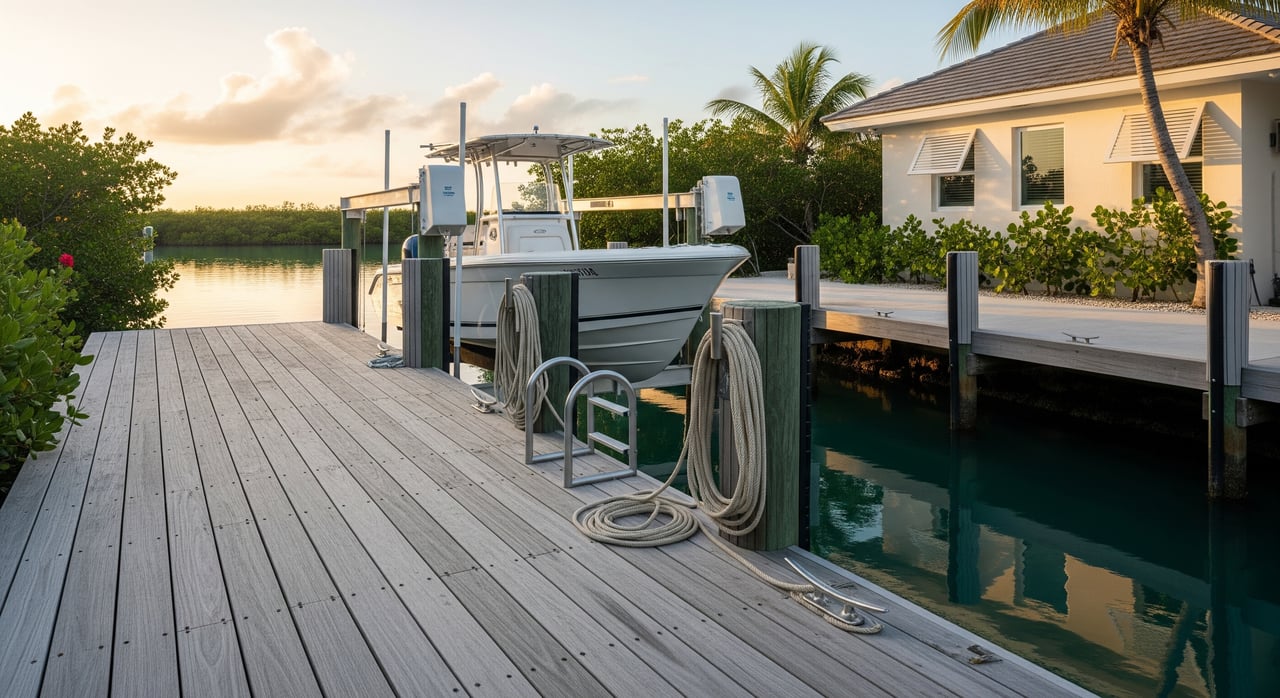
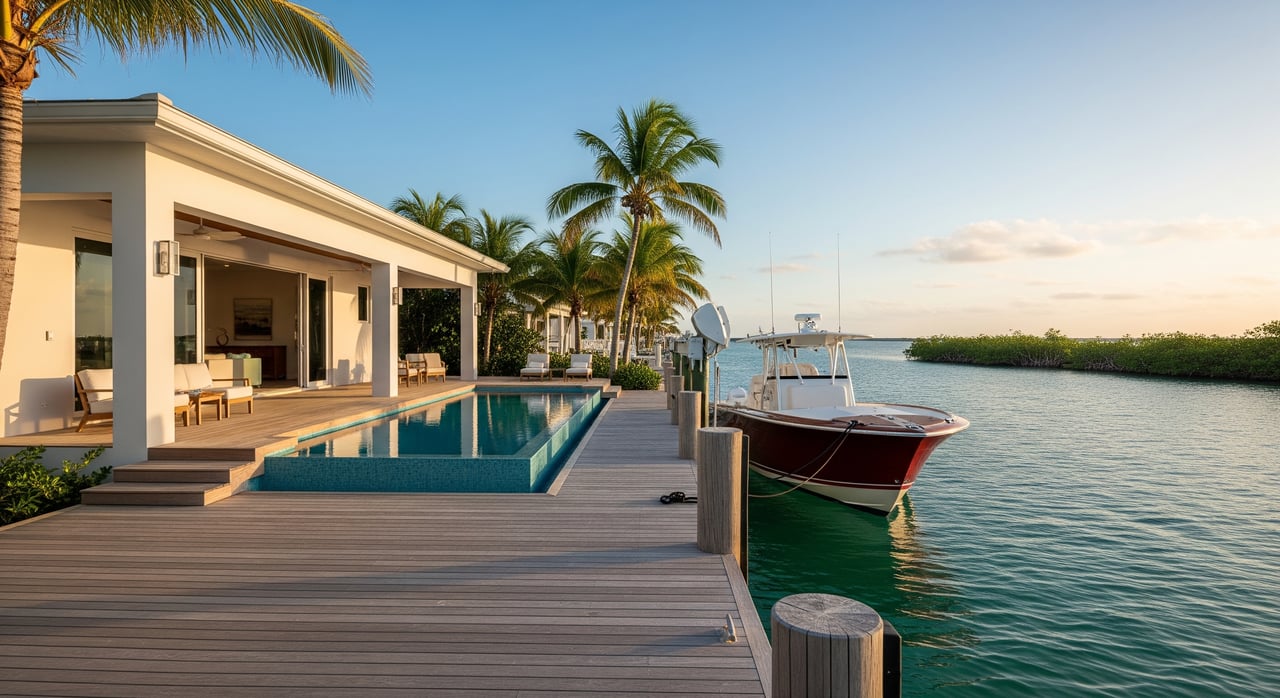
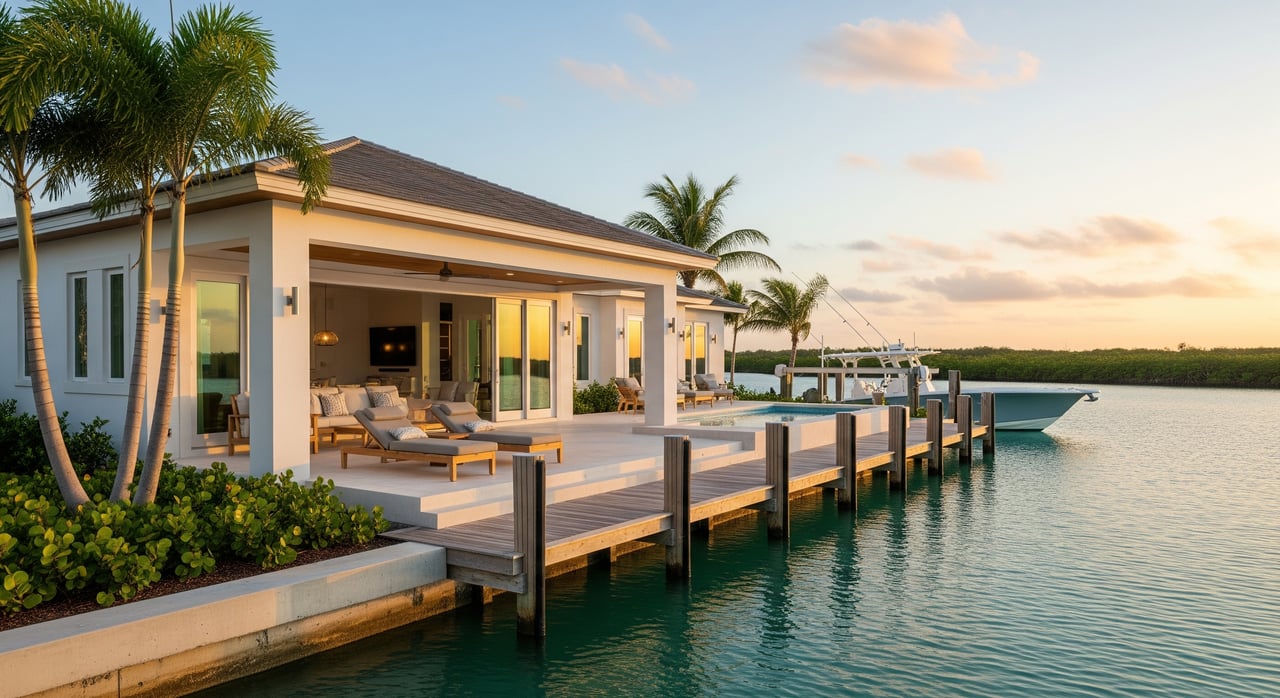
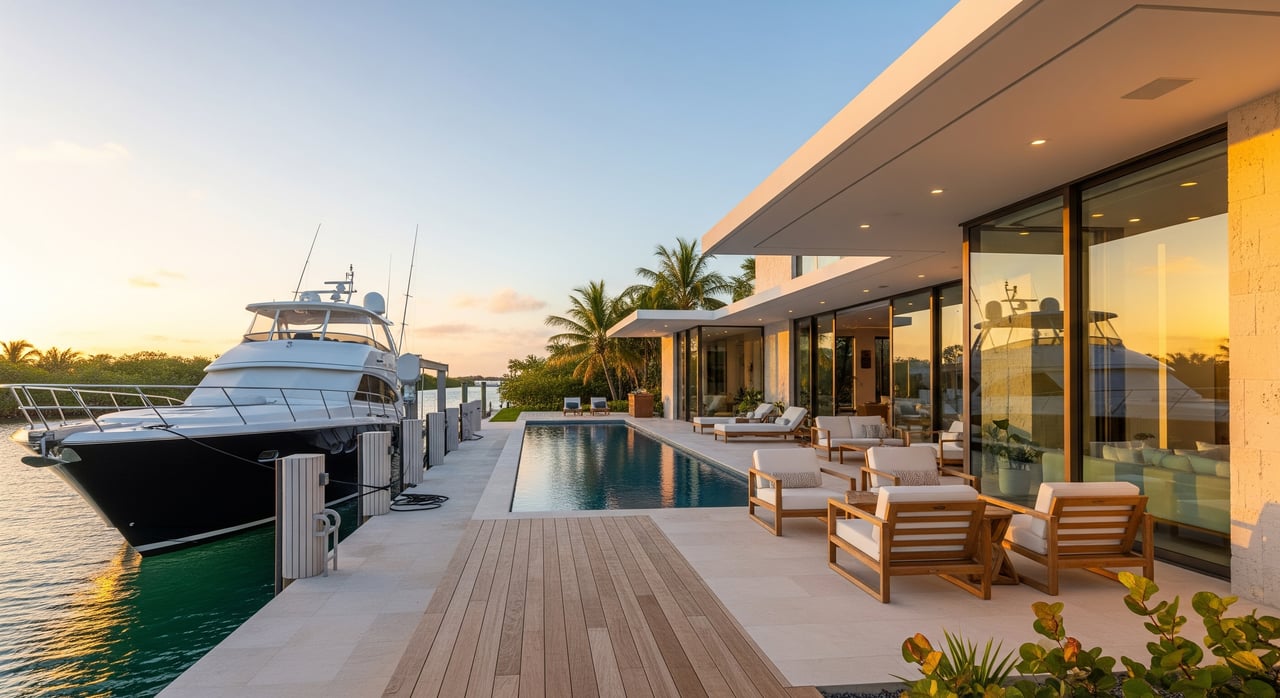
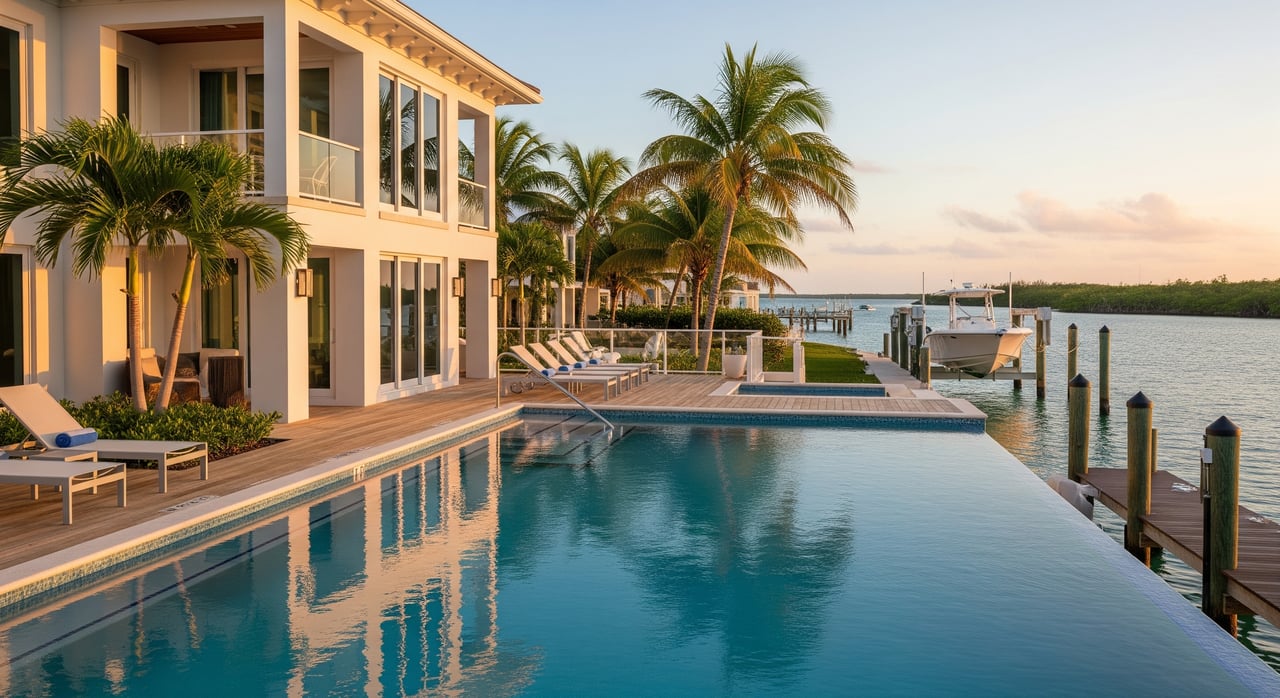
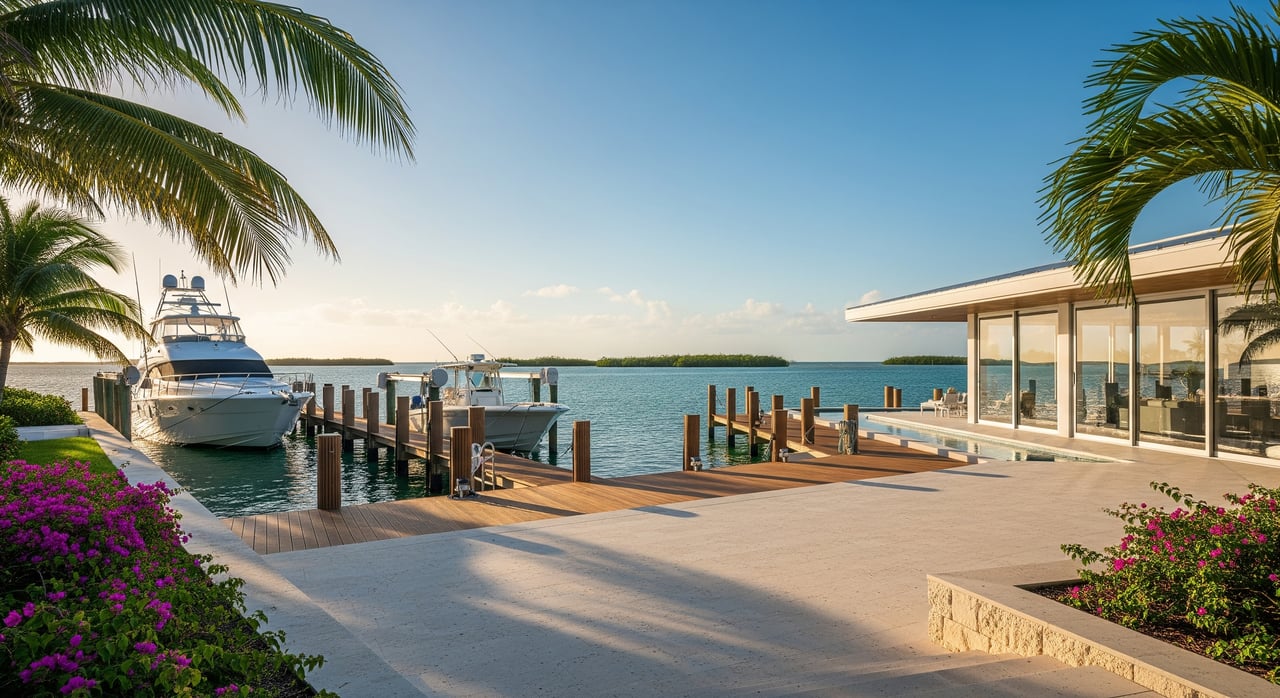
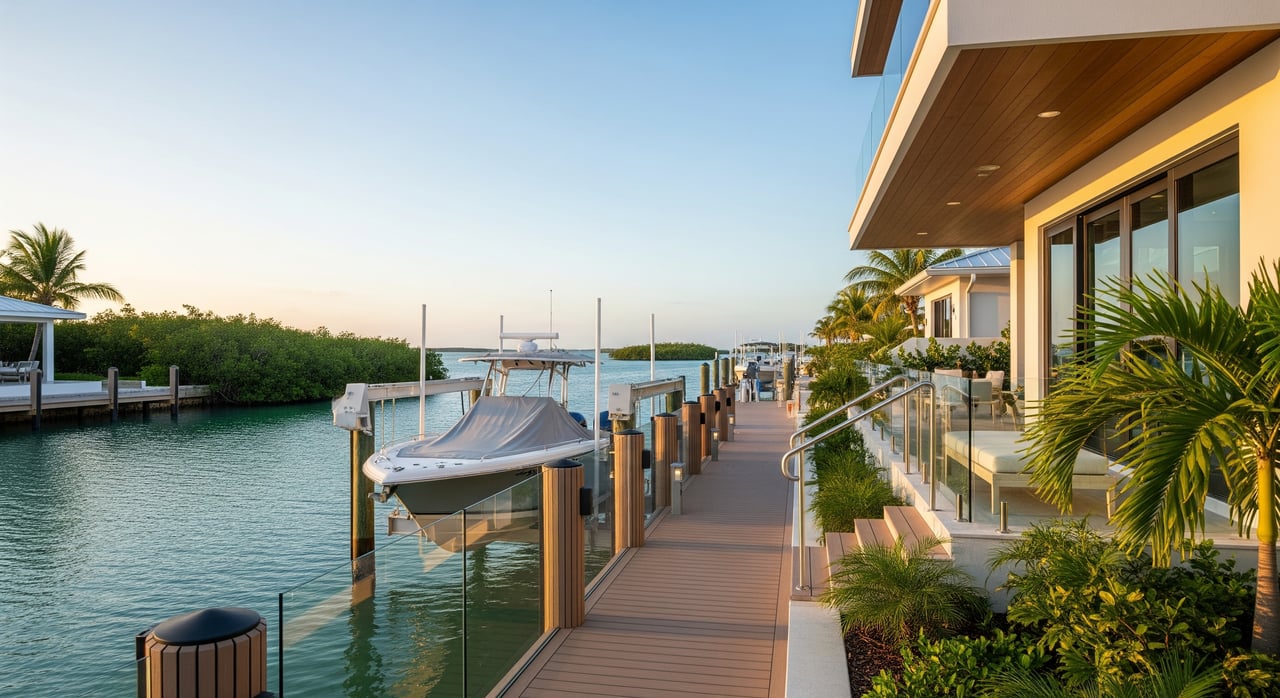
Shopping for a Summerland Key home and keep seeing “deeded dockage” in the listing? If you boat, fish, or plan to keep a vessel nearby, the kind of dock access you buy can shape daily life and future resale. The terms sound similar, but the rights are very different. In this guide, you’ll learn exactly what deeded dockage means, how it compares to assigned or HOA-controlled slips, and how to verify what you are getting before you write an offer. Let’s dive in.
What deeded dockage means in Summerland Key
Deeded dockage generally refers to a dock or specific slip that is described in the recorded deed or in another recorded instrument that runs with the land. It is a real property right or an appurtenant easement, not just permission to use a space.
In practical terms, deeded dockage:
- Is tied to the property and typically transfers with the sale unless the seller excludes it in writing.
- Offers stronger, more permanent rights to use a particular slip or dock area.
- Reduces the risk that a board, manager, or marina operator can reassign or revoke your space without changing recorded documents.
Even with deeded rights, you still need to confirm permits, insurance, and maintenance responsibilities. Docks in the Keys often sit on state-owned submerged lands and are subject to county, state, and federal rules.
How it differs from assigned or HOA slips
Not all dock access is deeded. You will also see assigned slips and association-controlled marinas. Knowing the difference helps you value a property correctly and avoid surprises.
Assigned slip basics
- Usually a revocable license or contractual right granted by an HOA, condo association, marina operator, or developer.
- Transfer rules vary. Some assignments end at sale or require approval, fees, or waitlists.
- Policies can change. Boards can adopt new rules or reassign slips under their governing documents.
HOA-controlled marina basics
- Docks are common elements owned by the association.
- Your rights come from the recorded declaration, bylaws, and marina rules.
- Use can include allocation procedures, waitlists, fees, and special assessments for repairs or reconfiguration.
How to verify a deeded slip
Waterfront rights are proven in the records, not in marketing remarks. Work through these steps during your due diligence.
Check the deed and chain of title
- Look for clear language describing dockage as an appurtenance or identifying a specific slip or pier.
- Confirm that any dock-related easement runs with the land and was not reserved by a prior owner.
Confirm plats and recorded easements
- Review the subdivision plat for any platted marina or slip numbers tied to the lot.
- Search for separately recorded easements that describe pier or slip rights.
Review the title commitment and survey
- The title commitment should list recorded dock easements and any marine-related exceptions.
- A current survey can show the dock, access lines, and any pier easements relative to your parcel.
Gather association documents or licenses
- If there is an HOA or condo, request the CC&Rs, bylaws, marina rules, and any executed slip license or assignment.
- Ask for an estoppel or official letter confirming an owner’s standing and any slip allocation or fees.
Confirm permits and compliance
- Request copies of county, state, and federal permits for the dock and seawall.
- In the Keys, permitting commonly involves Monroe County, the Florida Department of Environmental Protection, and sometimes the U.S. Army Corps of Engineers.
Why deeded dockage can boost value
Deeded dockage often commands a premium because it gives you more secure, transferable access to the water. Buyers value predictable use for daily boating, potential shore power or water service if permitted, and confidence at resale.
The actual value depends on usability factors such as water depth at mean low tide, bridge clearance, navigability to open water, and the physical condition of the dock or seawall. Assigned slips and association-controlled access still have real value, but the market may discount them because they can be subject to reassignment, policy changes, and additional fees.
Everyday use, rules, and responsibilities
How you use and care for a dock varies by ownership type.
- With deeded dockage on private uplands, you are usually responsible for maintenance, repairs, upgrades, and staying within permit limits.
- With association-owned docks, the HOA typically manages maintenance and insurance through common expenses. Owners share costs through dues or special assessments.
- Expect rules around boat length or beam, guest access, rental or charter activity, and hours. These are typically in association documents or local codes.
Insurance is another key detail. A private dock may require separate or scheduled coverage beyond your standard policy. Association marinas are usually covered by the master policy, but you should review deductibles, coverage limits, and the potential for post-storm assessments.
Permits, storms, and rebuild realities
Keys docks sit in a coastal, hurricane-prone environment. After major storms, rebuilding can require new permits and compliance with updated codes. Even deeded docks must meet regulatory requirements related to coastal construction, submerged lands, and environmental protection.
If a dock lacks proper permits or is nonconforming, repairs or replacement could be delayed, restricted, or denied. Always verify the permitting history and status during your inspection window to avoid costly surprises.
Buyer due diligence checklist
Use this list to keep your review on track in Summerland Key:
- Title and recordings: Obtain a current title commitment and search recorded instruments for dock easements, slips, leases, or reservations.
- Deed and chain: Confirm deed language that describes dock or appurtenant rights, and ensure no prior reservation severed those rights.
- Survey: Get a recent survey showing the dock and any easements or access lines.
- Association: Request CC&Rs, bylaws, marina rules, slip assignments, reserve studies, recent meeting minutes, and an estoppel if available.
- Permits and compliance: Ask for county, state, and federal permit records and confirm whether the dock is permitted, grandfathered, or nonconforming.
- Physical inspection: Hire a marine contractor or inspector to evaluate pilings, decking, utilities, and mooring hardware. Confirm depth, bridge clearance, and navigability for your boat.
- Insurance and liability: Review existing coverage, deductibles, exclusions for wind or hurricane damage, and any owner requirements in association communities.
- Financial exposure: Check for recorded liens, pending assessments, or marina-related litigation.
- Use restrictions: Identify any limits on liveaboard use, rentals or charters, boat size, fueling, or pump-out rules.
- Taxes and valuation: Review how the dock is assessed with the Monroe County Property Appraiser and how it affects property taxes.
Seller tips for a smooth sale
Sellers can strengthen buyer confidence and streamline closing by preparing early.
- Clarify the dock type: Deeded, assigned license, or association-controlled common element.
- Provide documents: Deed pages, plats, recorded easements, title policy, survey, permits, and any slip-license agreements.
- Share association info: CC&Rs, marina rules, fee schedules, reserve studies, and any recent notices about marina work.
- Address condition: Obtain a marine inspection and complete small repairs to avoid last-minute delays.
- Confirm insurance: Be ready to explain coverage and any past storm claims related to the dock or seawall.
Common scenarios in the Keys
- Scenario A: Dock described in the deed and shown on the plat. This is usually the strongest position for buyers, subject to permit compliance and maintenance.
- Scenario B: Slip assigned by an HOA under policy, not recorded. You enjoy use while you own, but transfer can be limited and reassignment is possible.
- Scenario C: Association owns the marina as a common element and allocates slips. Your rights follow the governing documents, not a deeded slip.
- Scenario D: Dock without proper permits or nonconforming structures. Repair or replacement may be denied or costly. Verify status before closing.
Next steps
If you are weighing two similar homes, the dock rights can tip the decision. Deeded dockage often delivers stronger, more predictable access, but it still carries responsibilities for permits, maintenance, and insurance. Assigned or HOA-controlled slips can work well for many owners, as long as you understand transfer rules, fees, and potential for reassignment.
Have questions about a specific property’s dock rights, permits, or resale impact in Summerland Key? Connect with Natalie Ardis to review your options and Schedule a Free Consultation.
FAQs
What does deeded dockage mean in a home sale?
- It is a dock or specific slip described in the recorded deed or easement that runs with the land, typically transferring with the property unless excluded in writing.
How can I confirm a slip is truly deeded?
- Review the deed, title commitment, recorded plats or easements, and a current survey; consult a local title company or Florida real estate attorney if language is unclear.
Can an HOA reassign my slip if it is deeded?
- If it is truly deeded or an appurtenant easement, reassignment is difficult without amending recorded instruments; assigned or licensed slips can usually be reallocated by the board.
Are there limits on boat size or liveaboard use?
- Yes, limits are commonly set in association rules and local codes; always review marina policies and local regulations before closing.
Who pays for dock repairs after a storm?
- Private owners usually pay for deeded docks on their property; association-owned docks are handled through the HOA’s insurance and reserves, with possible special assessments.
Do I need special insurance for a private dock?
- Many homeowners policies exclude or limit dock coverage; owners often add marine or scheduled structure coverage, while associations insure common-element marinas.