Are Islamorada condo fees confusing? You are not alone. In the Florida Keys, salt air, storms, and waterfront amenities can make HOA costs feel like a moving target. The good news is you can learn what drives the numbers and how to read the documents with confidence. In this guide, you will see what fees usually cover, why they vary by building, and the key questions to ask before you make an offer. Let’s dive in.
What Islamorada condo fees usually cover
Condo fees are based on the association’s annual budget and the rules in the declaration and bylaws. Each building is different, but most Islamorada associations include some or all of the items below.
Common area maintenance
- Building exterior and structure
- Roof upkeep and exterior painting
- Driveways, parking, walkways, and landscaping
Mechanical and building systems
- Elevators and elevator inspections
- Common area HVAC and ventilation
- Pumps, generators, and life-safety systems
Amenities and operations
- Pool and spa service
- Fitness room, clubhouse, and security systems
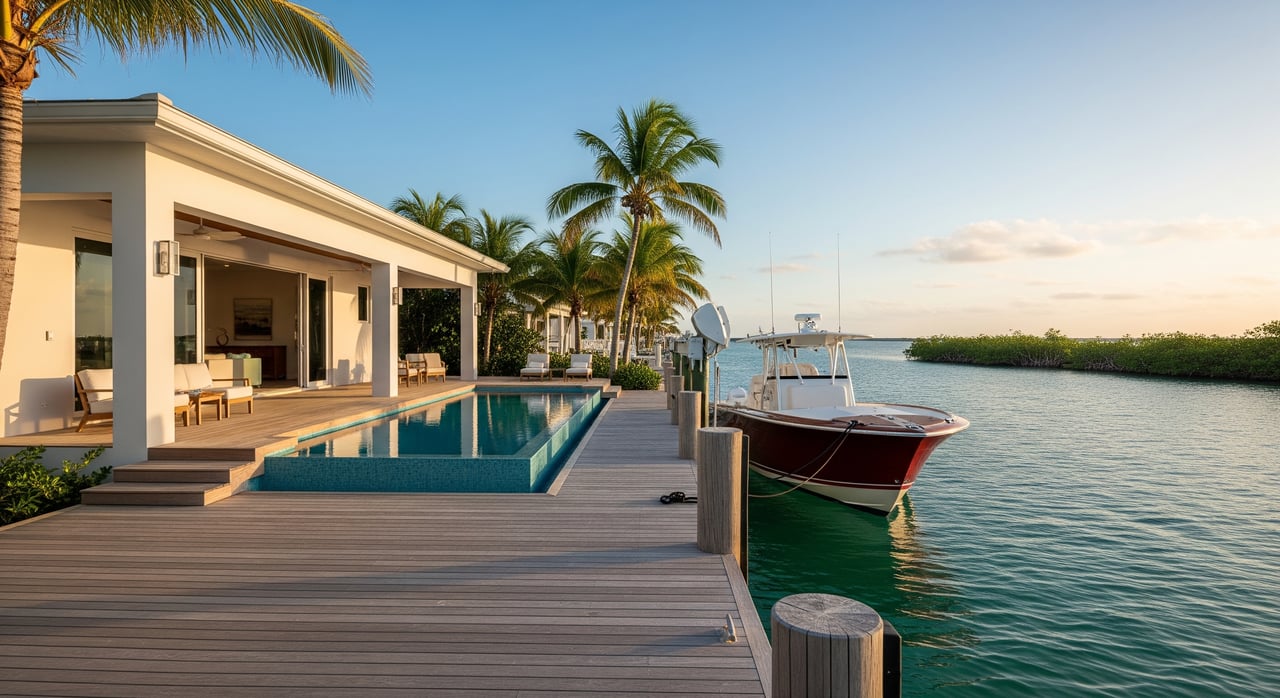
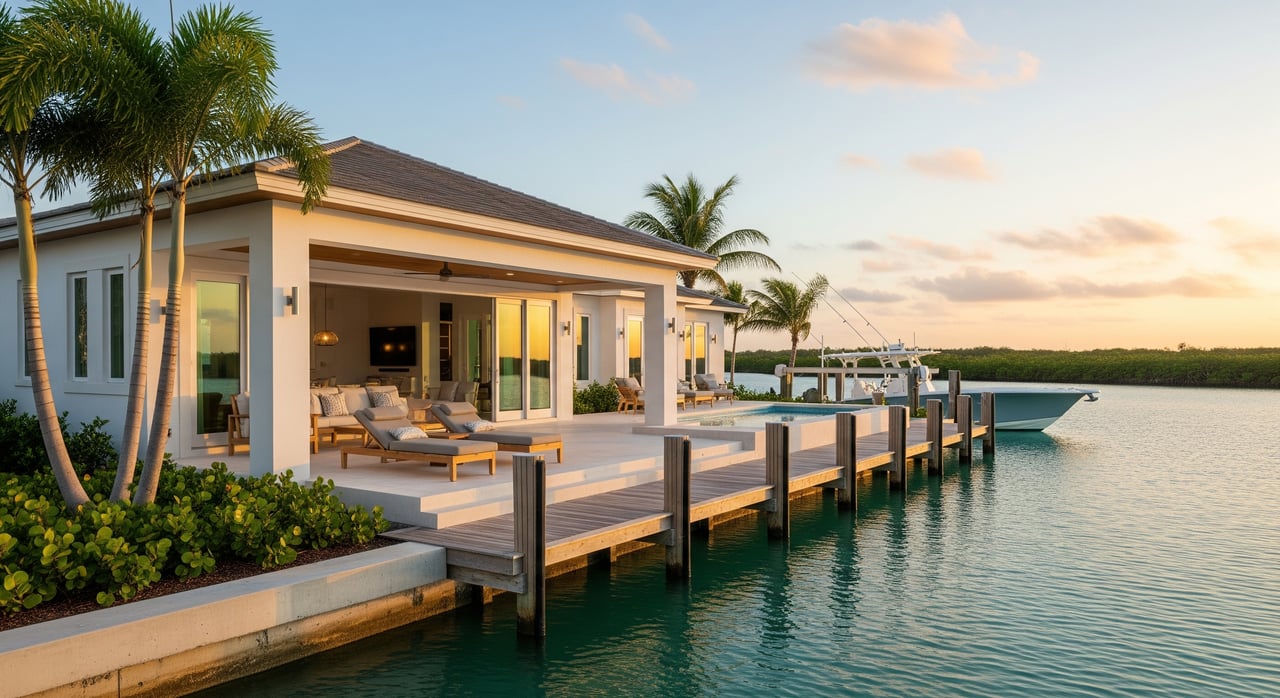
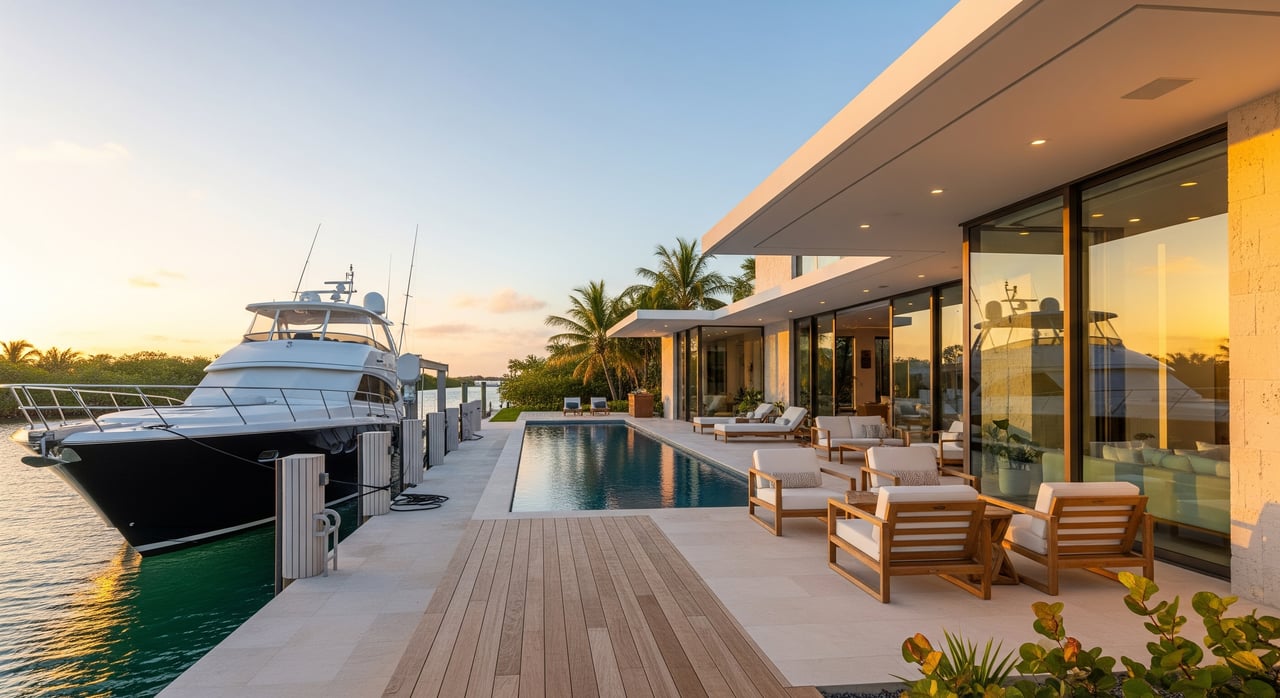
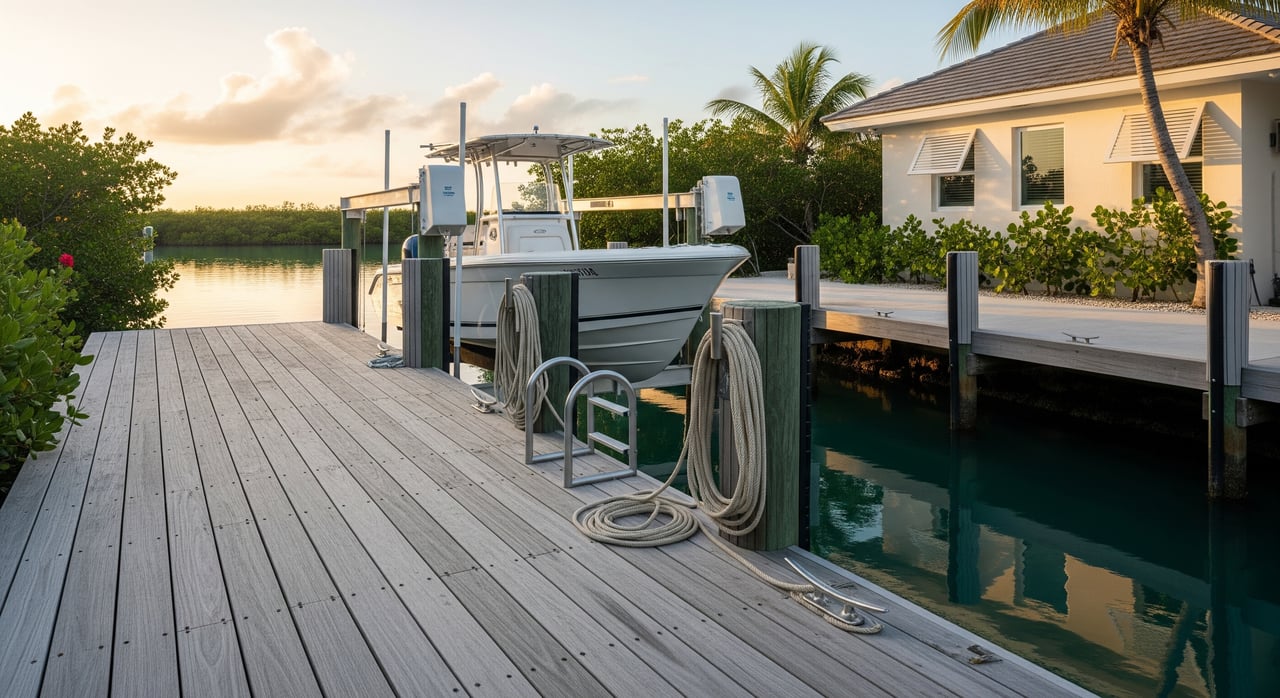
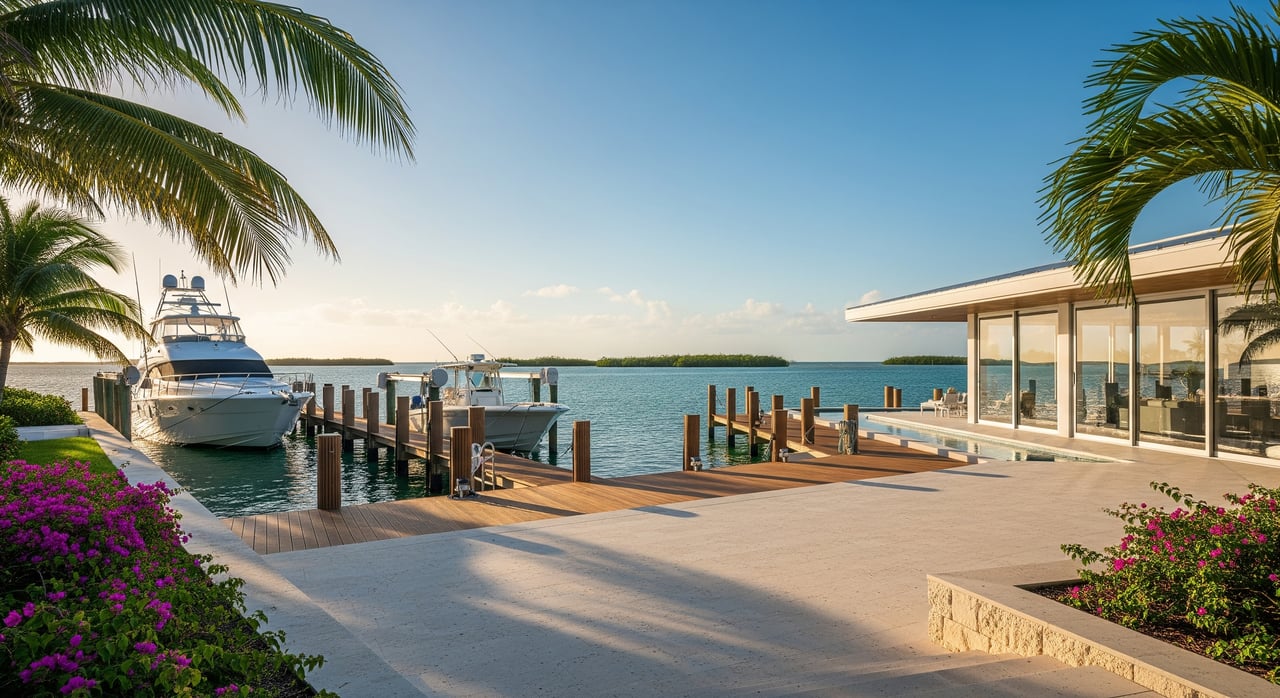
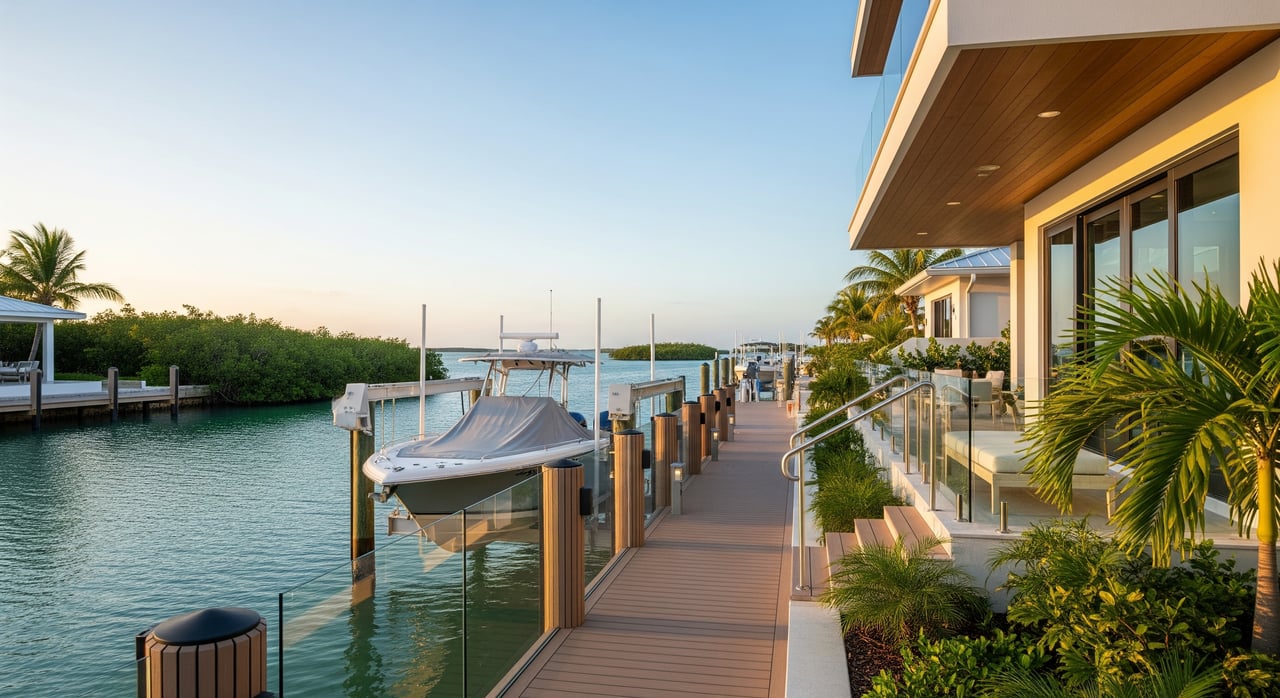
- Marina, docks, boat lifts, and seawall care (common in waterfront condos)
- Onsite staff or property management vendors
Utilities that may be included
- Water, sewer, and trash
- Cable or internet
- Master electric for common areas
Always verify which utilities are included since this changes your monthly cost.
Insurance carried by the association
- Master property and liability insurance for common elements and structures
- Wind or hurricane coverage and related deductibles
Insurance is often a large expense in coastal Florida. Ask for the master policy details and deductible amounts. The boundary between what the association insures and what you insure in your unit is set by your condo documents and the Florida Condominium Act. You can review the law at the Florida Condominium Act (Chapter 718).
Reserves for future repairs
- Annual contributions for roofs, painting, elevators, structural work
- Savings for marina and dock projects if waterfront
Well-funded reserves may raise the monthly fee but help reduce special assessments later.
Administrative costs and taxes
- Property management, bookkeeping, and legal
- Directors and officers insurance
- Taxes on common elements and municipal assessments
Why fees vary from building to building
In Islamorada, no two buildings are quite the same. Expect fees to differ for these reasons:
- Size of the association. Small associations share fixed costs among fewer owners, so per-unit fees are higher. Larger buildings spread expenses over more units.
- Amenities and staffing. Elevators, pools, marinas, and onsite personnel raise operating costs. Waterfront features like docks and dredging add specialized expenses.
- Age and maintenance history. Older buildings may need more repairs and higher reserve funding. Deferred maintenance can lead to special assessments.
- Reserve policy and funding level. Robust reserves increase monthly contributions today and help limit surprise assessments. Low reserves can mean lower fees now but higher risk later.
- Insurance premiums and deductibles. Coastal locations face higher premiums and percentage-based wind deductibles. The deductible structure can impact the likelihood of a future assessment after a storm.
- Utilities included. When water, sewer, cable, or internet are included, the monthly fee is higher, but your separate bills are lower.
- Management and legal. Professional management and active litigation can raise annual costs.
Insurance and deductibles in the Florida Keys
In Florida, condo associations maintain a master policy for common elements. You will carry an HO-6 policy for your unit’s interior and your personal property. Three points matter for Islamorada buyers:
- Wind or hurricane deductibles. Many master policies have a percentage-based deductible for named storms. After a storm, the association may need reserves or a special assessment to cover the deductible. Review the deductible percentage and any history of assessments. The Florida Office of Insurance Regulation and the Florida Department of Financial Services provide consumer guidance on wind and hurricane deductibles.
- Loss assessment coverage. Ask your insurance agent about HO-6 loss assessment coverage. It can help with your share of an assessment tied to damage not fully covered by the master policy.
- Flood insurance. Flood insurance is separate from wind coverage. If your unit is in a flood zone or your lender requires it, make sure to budget for an NFIP or private flood policy. Learn more about flood coverage at FEMA flood insurance.
Flood zones and the Keys waterfront reality
Many Islamorada properties sit in FEMA AE or VE flood zones. This can affect insurance costs, building maintenance, and dock or seawall plans. Before you make an offer, check the property’s flood zone using the FEMA Flood Map Service Center. For local permitting and floodplain rules, the Monroe County government resources page is a helpful starting point. Knowing the flood zone helps you estimate flood premiums and understand storm surge exposure.
How to read the budget and documents
Start with the current annual budget and recent financials. Look for line items that match the building’s features, like elevator service, marina upkeep, and insurance. Compare reserve contributions to the reserve study, if available, and note any planned capital projects. Cross-check minutes from the past 12 to 24 months to see what the board is discussing. If the association has a history of special assessments or insurance non-renewals, dig deeper.
Due diligence checklist before you offer
Request these items as early as possible. Your offer can include a document review contingency if needed.
- Most recent annual budget and year-to-date financials
- Last 2 to 3 years of audited statements or compiled reviews
- Current reserve study and reserve balances
- Master insurance declarations, limits, and wind or hurricane deductible percentages
- Minutes of board meetings for the past 12 to 24 months
- List of current or planned special assessments and capital projects
- Condominium declaration, bylaws, and resale certificate or estoppel letter
- Summary of any pending or threatened litigation
- Management agreement and key vendor contracts
- Engineering, structural, roof, and elevator inspection reports
- Flood zone, dock permits, dredging schedules, and seawall maintenance records if waterfront
Key questions to ask the association or manager:
- What exactly is included in the monthly fee, including utilities and cable or internet?
- Are reserves funded to the level recommended by the reserve study?
- Have there been special assessments in the past 5 to 10 years, and are any planned now?
- What are the master policy limits and wind or hurricane deductible amounts? When does the policy renew?
- Is there any current or recent litigation? What is the financial exposure?
- What major projects are planned in the next 3 to 5 years, and how will they be funded?
- Are short-term rentals allowed or limited? What is the owner-occupancy ratio?
- For waterfront buildings, who owns and maintains docks, pilings, and seawalls? Any dredging plans?
Red flags that warrant a closer look
- Low reserve balances versus the reserve study target
- Frequent or large special assessments
- High percentage wind deductible with no funding plan
- Insurance non-renewals or sharp premium increases
- Active or high-dollar litigation, especially structural or insurance-related
- Noted deferred maintenance in minutes or inspections
- Very small associations with limited reserves and no professional management
Budgeting your real monthly cost
Your true monthly cost is more than the HOA fee. Build a complete picture that includes:
- HOA dues
- HO-6 condo policy and optional loss assessment coverage
- Flood insurance if required by lender or prudent based on flood risk
- Property taxes
- Utilities not covered by the HOA
- A buffer for possible special assessments, especially for wind deductibles or capital projects
A quick rule of thumb is to model best, base, and worst-case scenarios. For example, review the past 5 to 10 years for assessments, compare the current deductible to reserves, and estimate what your share would be if an assessment were needed.
Financing and project eligibility
Some loan programs have rules about owner occupancy, reserves, commercial space, and litigation. Before you fall in love with a unit, confirm the building is acceptable to your lender. Ask about any limits tied to short-term rentals and reserve funding. Aligning the building’s profile with your loan type early can save time and stress.
Tips for second-home and investor buyers
If you plan to use your Islamorada condo as a second home or rental, focus on risk and liquidity.
- Check rental rules and minimum lease terms in the condo documents.
- Estimate vacancy and seasonal utility costs if utilities are not included.
- Review the master policy deductible and your HO-6 coverage options for loss assessment.
- Make sure marina rules, dock assignments, and related fees fit your boating plans.
A local roadmap to a smooth purchase
Buying a condo in Islamorada is about clarity and planning. When you understand what fees cover, how insurance works, and which documents to review, you can buy with confidence. If you want hands-on help gathering budgets, reserve studies, insurance details, and flood information, reach out for local guidance.
Ready to compare buildings and run a true monthly cost estimate for your shortlist? Connect with Natalie Ardis to review documents, coordinate with your lender and insurance agent, and move forward with confidence.
FAQs
What do Islamorada condo fees usually include?
- Most cover common area care, insurance for the building and common elements, reserves for future projects, and operations. Some include utilities such as water, sewer, trash, or cable.
Why are Islamorada condo fees higher in waterfront buildings?
- Docks, lifts, seawalls, and marina upkeep add specialized maintenance and insurance. Salt air and storm exposure also increase long-term costs.
How do hurricane deductibles affect my costs in Florida condos?
- Many master policies use percentage-based wind deductibles. After a storm, associations may levy an assessment to fund the deductible if reserves are not sufficient.
Do I need flood insurance for a Keys condo?
- If your unit is in a mapped flood zone or your lender requires it, you will need an NFIP or private flood policy. Check zones at the FEMA Flood Map Service Center.
What documents should I review before making an offer?
- Ask for the current budget, financials, reserve study, insurance declarations, meeting minutes, disclosure of assessments, governing documents, and any inspection reports.
What are the top red flags when reviewing an association?
- Low reserves versus the study, frequent or large assessments, insurance non-renewals, active litigation, and noted deferred maintenance are all reasons to dig deeper.