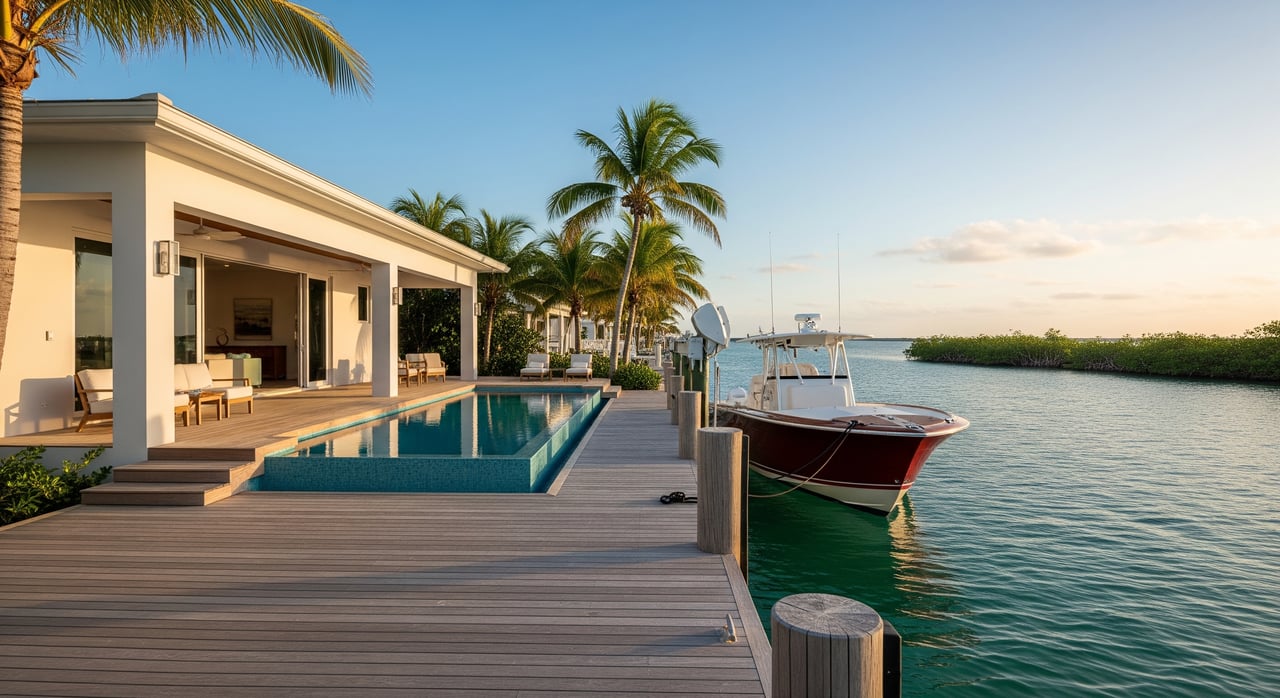
What It’s Like To Live On The Water In Marathon
February 5, 2026
February 5, 2026
What if your morning commute was a short walk to your dock, a coffee in hand, and a glassy canal leading you toward open water? In Marathon, waterfront living puts the ocean at your back door and island time on your clock. You may be dreaming of fishing at sunrise, snorkeling clear reefs, or catching sunsets by the Seven Mile Bridge. Here, you’ll get a clear look at daily life, boating access, home types, and the practical details that help you buy with confidence. Let’s dive in.
Life on the water in Marathon is active, relaxed, and outdoors most days. Many residents start early, heading out for reef or flats fishing before the breeze picks up. Afternoons often mean a beach day or a cruise past Sombrero Light to snorkel. Evenings tend to be casual, with fresh seafood, sunset views, and time on the dock.
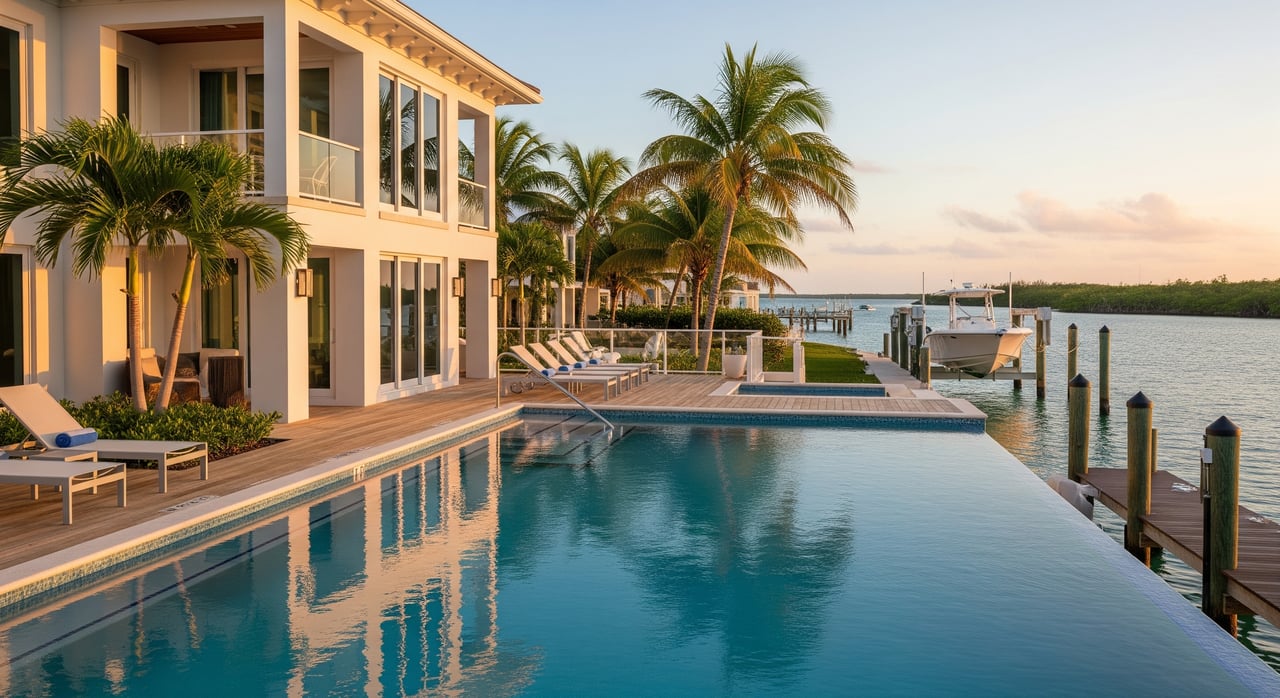
You’ll notice the sounds of gulls and boat engines, the smell of salt in the air, and the soft slap of water against seawalls. The community blends marina-front condos, canal homes, and gulf or oceanfront estates. You can be as social or as private as you like.
Winter and spring bring more visitors and part-time residents. Restaurants, marinas, and beaches get busier, and the energy level rises. Summer is warmer and more humid, with afternoon thunderstorms that clear as quickly as they arrive. Boating can be excellent, but it is also hurricane season.
If you plan to host family and friends, high season can mean more competition for slips, ramps, and dinner reservations. Off season is quieter and often feels like a local’s secret.
US Highway 1 is your main link up and down the Keys. Marathon sits in the middle, so weekend trips to Key West are easy and drives to Islamorada or Key Largo are straightforward. Florida Keys Marathon International Airport offers regional convenience, while major airline connections are in Miami. You can balance a peaceful island lifestyle with access to larger city amenities when needed.
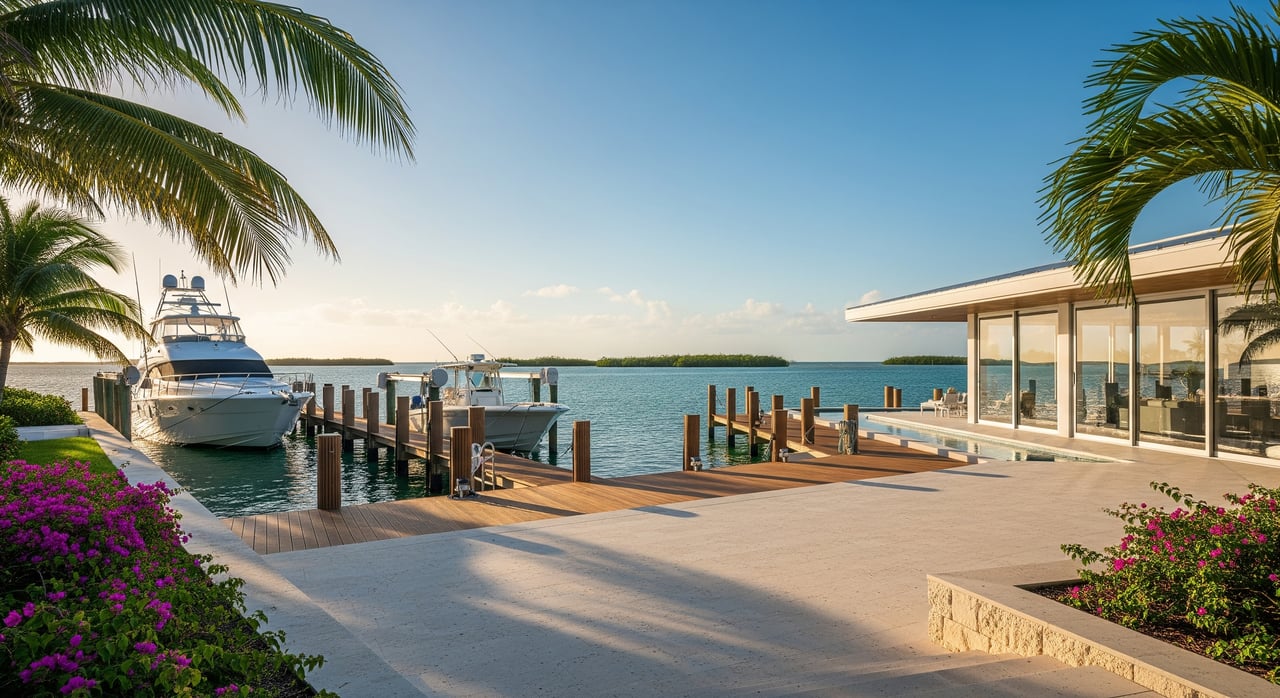
Marathon is boating-centric. Many waterfront homes include private docks or lifts. What matters most is the type of access. Some canals offer quick, deep-water routes. Others are shallow and tide sensitive. Draft, bridge clearance, and turning room matter if you run a larger boat.
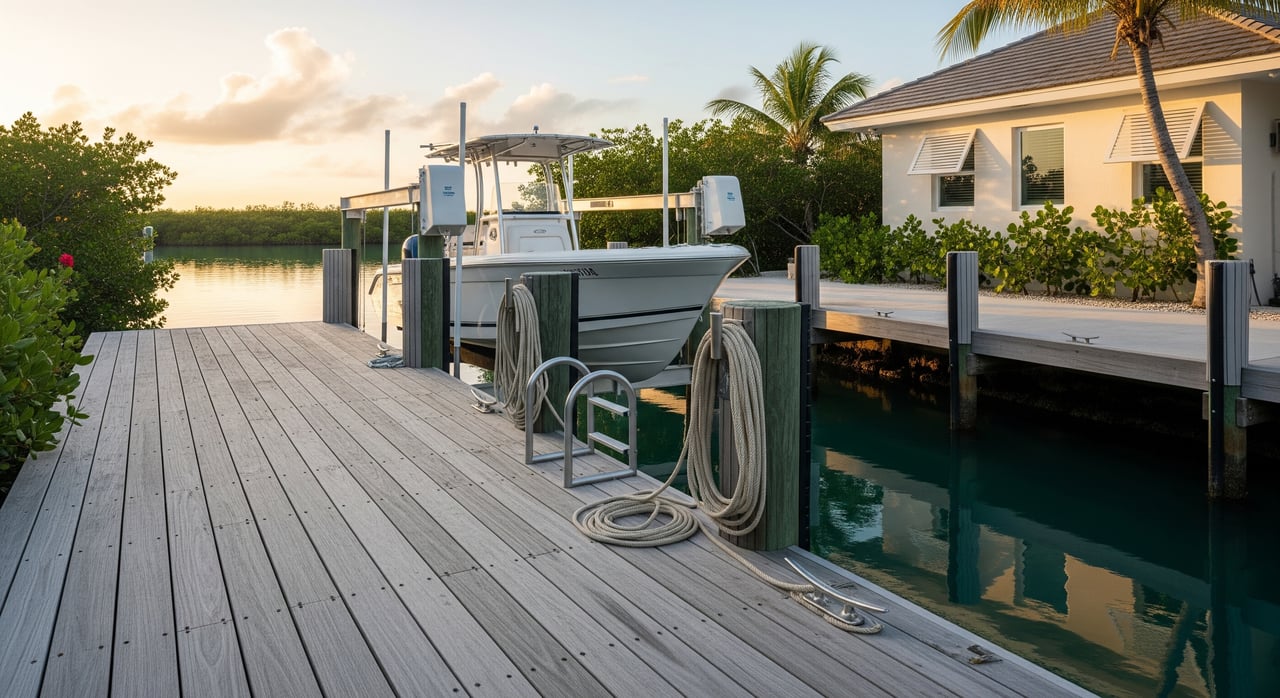
Before you buy, verify dock permitting history and water depth at mean low water. If you plan to add a lift or extend a dock, you will likely need local and state permits. Shoreline work and mangrove trimming are regulated. Build your plans around what is allowed.
You have options if you prefer a slip. Resort marinas offer transient dockage for weekend stays. Local marinas provide longer term slips. Public boat ramps serve trailered boats and can be busy on peak days. Availability varies by season, so plan ahead.
Boot Key Harbor is a centerpiece of the boating scene. It is a working harbor with a city marina and a well-known live-aboard community subject to local rules. If you like being near the action, look for properties with easy routes into the harbor.
You are close to reef systems that support world-class fishing and diving. Sombrero Reef and other sites within the Florida Keys National Marine Sanctuary draw snorkelers and divers for clear water and marine life. Anglers target reef species, offshore pelagics, and flats fish in nearby shallows. State and federal rules for seasons and bag limits are enforced, so keep your licenses and regulations up to date.
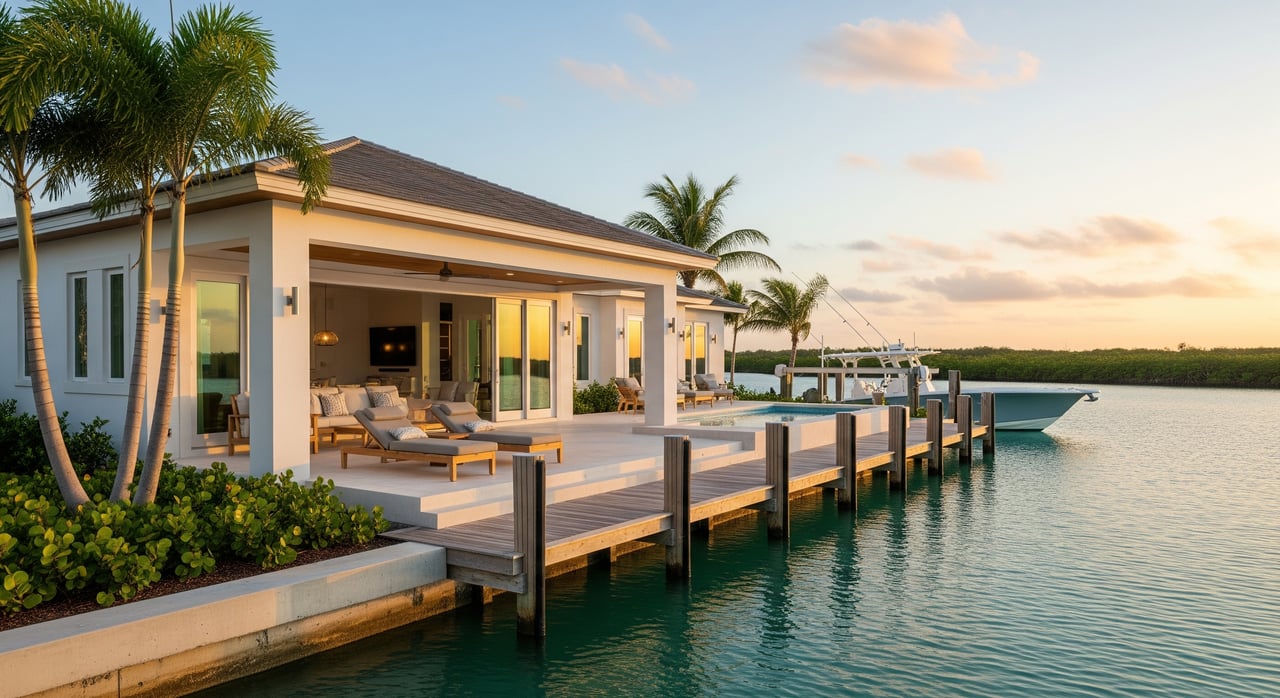
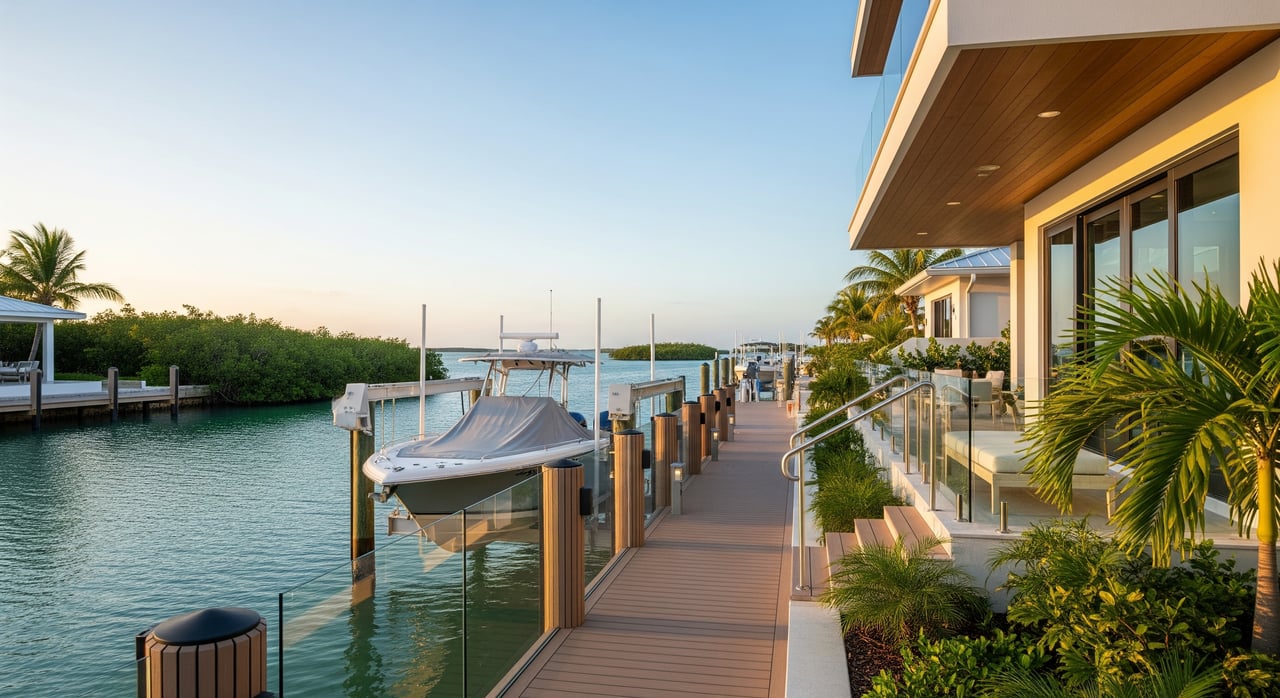
Canal-front homes are popular for private dockage and protected water. These properties vary by canal width, depth, and route to open water. You trade big open views for easy access and a wind-sheltered dock. Canal neighborhoods are active, friendly, and very boat focused.
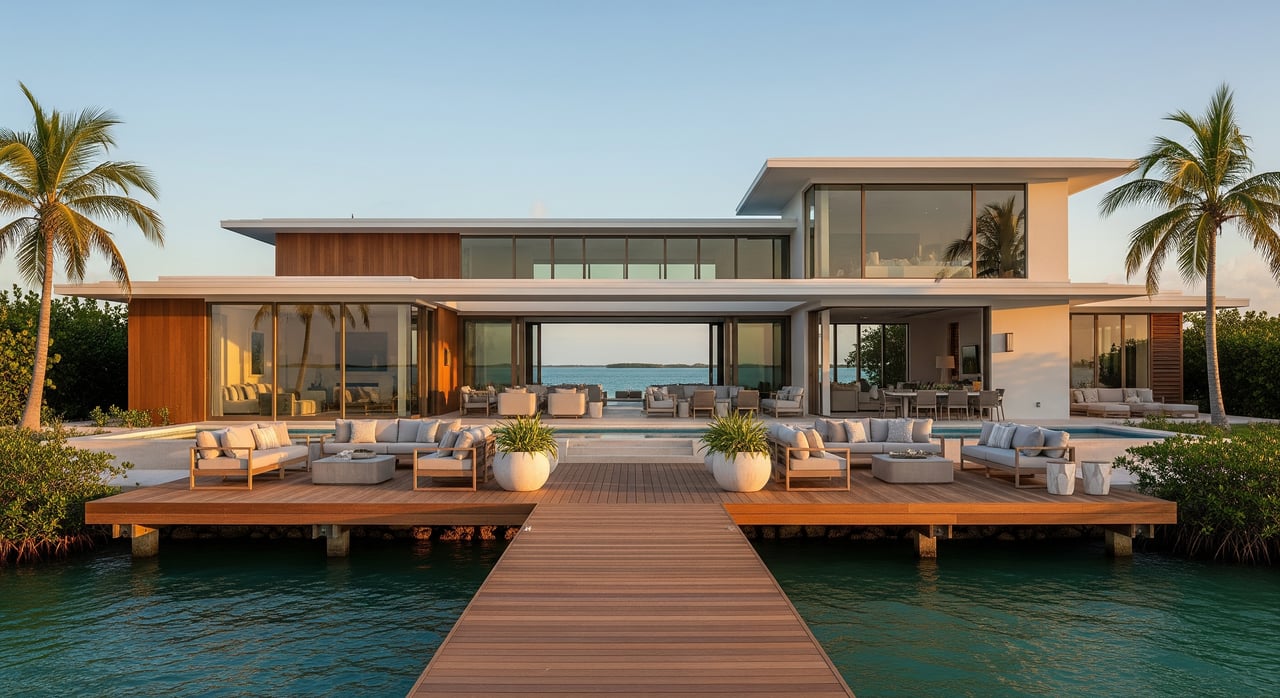
Homes facing the bay or Gulf deliver wider views and brilliant sunsets. Water can be shallower in certain areas, so you may need to time departures with the tide if you run a deeper draft. If you want sweeping views and a calmer leeward feel on many days, this is a strong option.
Atlantic-facing properties often have dramatic open-water vistas and fast routes to reef lines. You will feel more open exposure to wind and waves in some conditions. Construction quality and shoreline design matter more here because of that exposure.
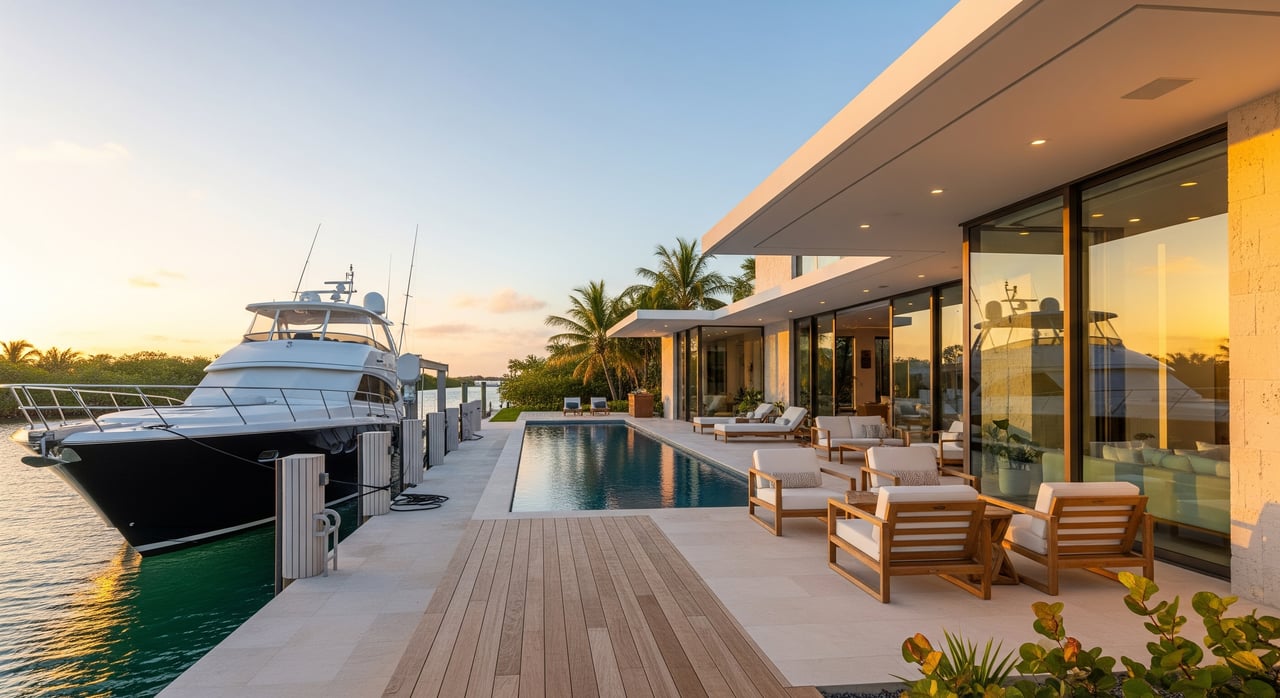
Condo and townhouse options near marinas appeal to those who want low maintenance. You may get assigned dockage or access to nearby slips. If you spend more time on the water than in the yard, this setup keeps things simple. Check association rules for dock use, rentals, and any restrictions.
You will find regional supermarkets, pharmacies, hardware stores, and boat supply shops in town. Most errands can be handled without leaving Marathon. For specialty needs, many residents make a planned run to the mainland.
A community hospital serves the Middle Keys for acute care and routine needs. For specialized care, larger centers in Miami are the next step. Many residents keep a simple plan for when to travel for specialists.
Marathon is served by the Monroe County School District with local options from elementary through high school. Community institutions such as Crane Point Hammock and local festivals add a small-town feel. Fishing tournaments and seasonal events bring neighbors together throughout the year.
Casual seafood shacks, marina restaurants, and resort dining are part of the rhythm. Some marinas offer dockage for diners, which is a fun way to arrive for lunch or sunset. Expect menus that highlight fresh catch and views that keep you lingering.
The Turtle Hospital offers wildlife rehabilitation and educational tours. The Dolphin Research Center is known for marine education and programs. Sombrero Beach is a public favorite for swimming and picnics, and Crane Point Hammock offers nature trails and a window into Keys history.
The climate is tropical with warm winters and hot, humid summers. Hurricane season runs from June 1 to November 30. The Keys are vulnerable to tropical storms, storm surge, and flooding. Sea-level rise and increasing flood frequency are long-term concerns for low-lying properties.
You can plan for resilience. Look for homes with features like impact-rated openings, elevated living areas, and storm hardware. Keep an evacuation plan, shutters or panels organized, and a generator if you need to maintain critical systems.
Property insurance is a major line item. Many buyers carry homeowners, windstorm, and flood policies. Lenders often require flood insurance and may ask for wind mitigation features. Get quotes early in your search so you can compare true monthly costs and make a confident offer.
Mortgage underwriting for coastal homes focuses on elevation, flood zones, and construction standards. Clean documentation on permits, improvements, and mitigation can smooth the process.
Coastal codes in Monroe County emphasize elevation, wind resistance, and corrosion-resistant materials. Salt air is hard on metal, lifts, pilings, and exterior finishes. Plan a proactive maintenance schedule for docks, seawalls, and anything that lives near the splash zone.
Wastewater can vary. Some areas have sewer connections while others may have septic or specific upgrade requirements. Always verify current status and compliance before closing.
Marine construction such as docks, lifts, and seawalls typically requires local and state permitting. Mangroves and coastal wetlands are protected, and shoreline work is tightly regulated. If you envision a new dock or a lift, confirm what is allowed before you commit to plans or timelines.
Vacation rentals play a role in the local economy, but they are regulated. Rules can vary by zone and property type, and they change over time. If rental income is part of your plan, verify licensing, occupancy limits, and any association or neighborhood restrictions.
Use this quick list as you review properties and plan your purchase:
Waterfront decisions in Marathon are equal parts lifestyle and logistics. You deserve a guide who can line up dock depths with your boat’s draft, explain flood maps in plain language, and navigate permitting with confidence. A locally rooted agent with strong market reach can save you time, reduce risk, and help you secure the right property in any season.
If you are weighing canal access against open-water views, or comparing insurance quotes between neighborhoods, you do not have to guess. Reach out to discuss your goals, timing, and the properties that fit your needs.
Ready to see what living on the water in Marathon really feels like? Connect with Natalie Ardis to walk through options, review insurance and permitting details, and craft a smart offer. Schedule a Free Consultation.
Stay up to date on the latest real estate trends.
Real Estate
Discover Essential Innovations to Elevate Your Island Living Experience
Get assistance in determining the current property value, crafting a competitive offer, writing and negotiating a contract, and much more. Contact me today.