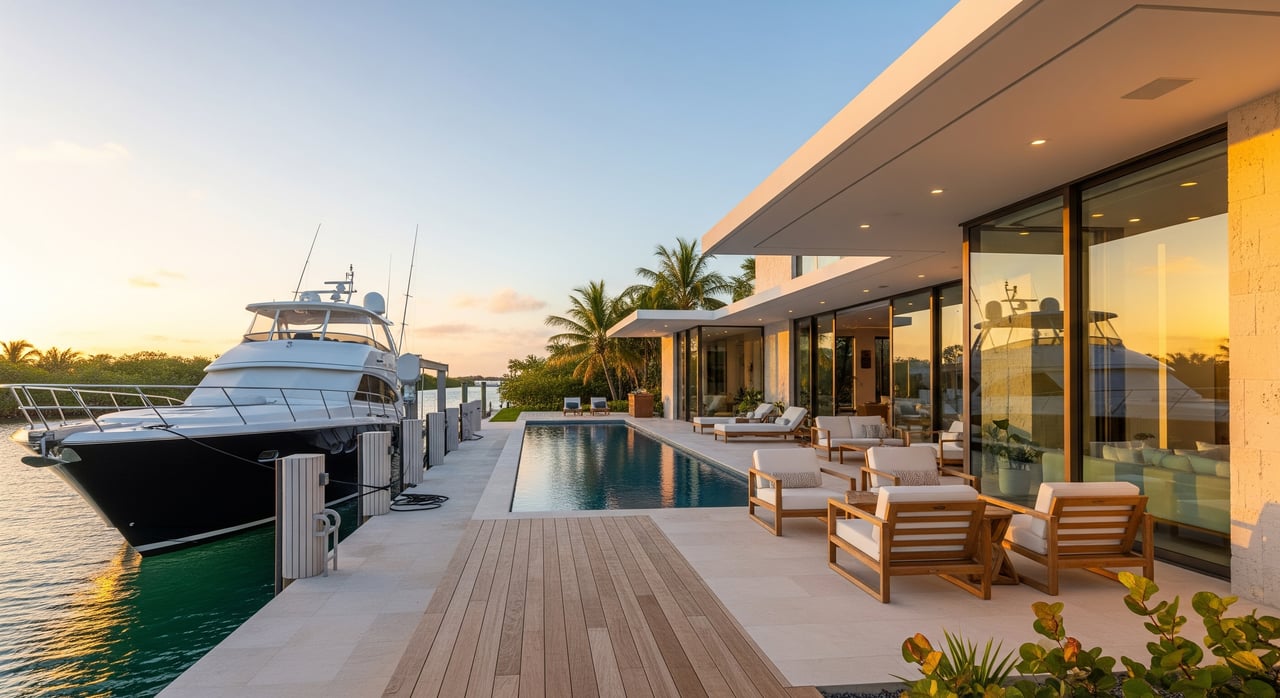
Pricing Your Marathon Waterfront Home For Maximum Exposure
January 1, 2026
January 1, 2026
Is your Marathon waterfront home priced to pull in the right buyers fast, or is it getting lost in a crowded ocean of listings? In the Keys, the right price is not a guess. It is a clear story built from local comps, seasonality, risk, and targeted marketing reach. If you want maximum exposure and a confident outcome, you need a plan that fits Marathon’s unique market.
In this guide, you’ll learn how to build a data-backed price, what to watch in the first two weeks, and how Coldwell Banker Global Luxury placement expands your buyer pool. Let’s dive in.
Waterfront in the Middle Keys is scarce, and buyer motivations vary. You see second-home and vacation buyers, snowbirds, and investors considering short-term rental potential. At the same time, hurricanes, flooding, and insurance costs affect what buyers will pay and how quickly they act.
Micro-location matters. Direct Atlantic frontage, Florida Bay or Gulf exposure, and canal homes with deep or shallow access command different price responses. Elevation, dock capacity, seawall condition, and permitting history all play into value. Insurance trends, flood zones, and coastal rules also shape buyer confidence and price sensitivity.
Start with closed sales from the local MLS and public records. Prioritize the last 90 to 180 days if the market is stable. If sales are sparse, expand thoughtfully up to 12 months while noting changing conditions.
Match by waterfront type first. Then align lot size, water depth and turning basin access, dock features, house size and layout, construction era, and overall condition. If truly similar closed sales are limited, use active and pending listings as supporting data, and review expired listings to spot where pricing failed. Flag these as less reliable than closed comps.
Adjust for attributes that meaningfully change buyer calculations:
Use paired-sale logic whenever possible. Derive dollar or percentage adjustments from multiple local comps and compute a weighted estimate instead of relying on generic rules. For unique or high-value properties, consider a professional appraisal or statistical modeling to support your pricing range.
Some features can outsize standard adjustments. A private deep-water dock, a rare stretch of beach, an architect-designed home, or an unusually large lot can move the property into a luxury portfolio set. Compare against similar standout sales rather than average neighborhood comps.
Build three tiers:
If psychological thresholds are common in your submarket, consider them only after testing demand at nearby levels. Track performance closely for the first 7 to 14 days. Be ready to adjust if engagement or showing feedback signals resistance.
High season in the Keys typically runs from late fall through spring. More out-of-area buyers are in-market, and activity often increases. If your timing is flexible, lean into this window. Low season in summer and early fall tends to bring slower traffic, and hurricane season can make buyers more cautious.
If you must list off-season, set expectations around a longer marketing window and emphasize features that matter year-round, like hurricane protections, efficient HVAC, and indoor-outdoor flexibility.
Use data to confirm your price is resonating with the right audience:
What to do with the data:
Flood zones, elevation, and insurance terms affect both value and financing. Confirm your FEMA flood zone and base flood elevation and understand how this influences premiums and buyer comfort. You can review your area using the FEMA Flood Map Service Center.
Dock and seawall condition and permitting history matter. Unpermitted work or known repairs can dampen demand. Environmental and coastal rules, submerged land leases, and approvals for dredging or dock expansions may limit use. Saltwater exposure also raises maintenance expectations for mechanicals and dock hardware.
Show hurricane mitigation clearly. Elevation, shutters, tie-downs, and a newer roof support buyer confidence. For long-term coastal context, explore regional data through NOAA sea level and tide resources.
If the market responds slowly, adjust with measured steps. Smaller, timely reductions are often better than a single large cut unless signals are decisively weak.
Higher price bands require wider reach. For luxury waterfront, combine premium visuals and multi-market distribution to capture out-of-area and international buyers. Consider:
Coldwell Banker Global Luxury provides distribution to a broader, qualified audience. Treat this as a visibility advantage that helps justify upper-tier pricing when the property supports it. Align marketing spend and channels to the price band you choose.
Use a structured process so your price is defensible and flexible. Below is the exact checklist used to prepare a Marathon waterfront listing for maximum exposure.
Pricing-Consult Pre‑Listing Checklist
What you should receive during the consult:
Ready to see where your home fits and how to reach the right buyers quickly? Schedule a data-backed pricing consult. In 30 minutes we will review local comps, flood and insurance factors specific to your parcel, and a three-tier pricing and marketing plan for maximum exposure. Connect with Natalie Ardis to get started.
Stay up to date on the latest real estate trends.
Get assistance in determining the current property value, crafting a competitive offer, writing and negotiating a contract, and much more. Contact me today.