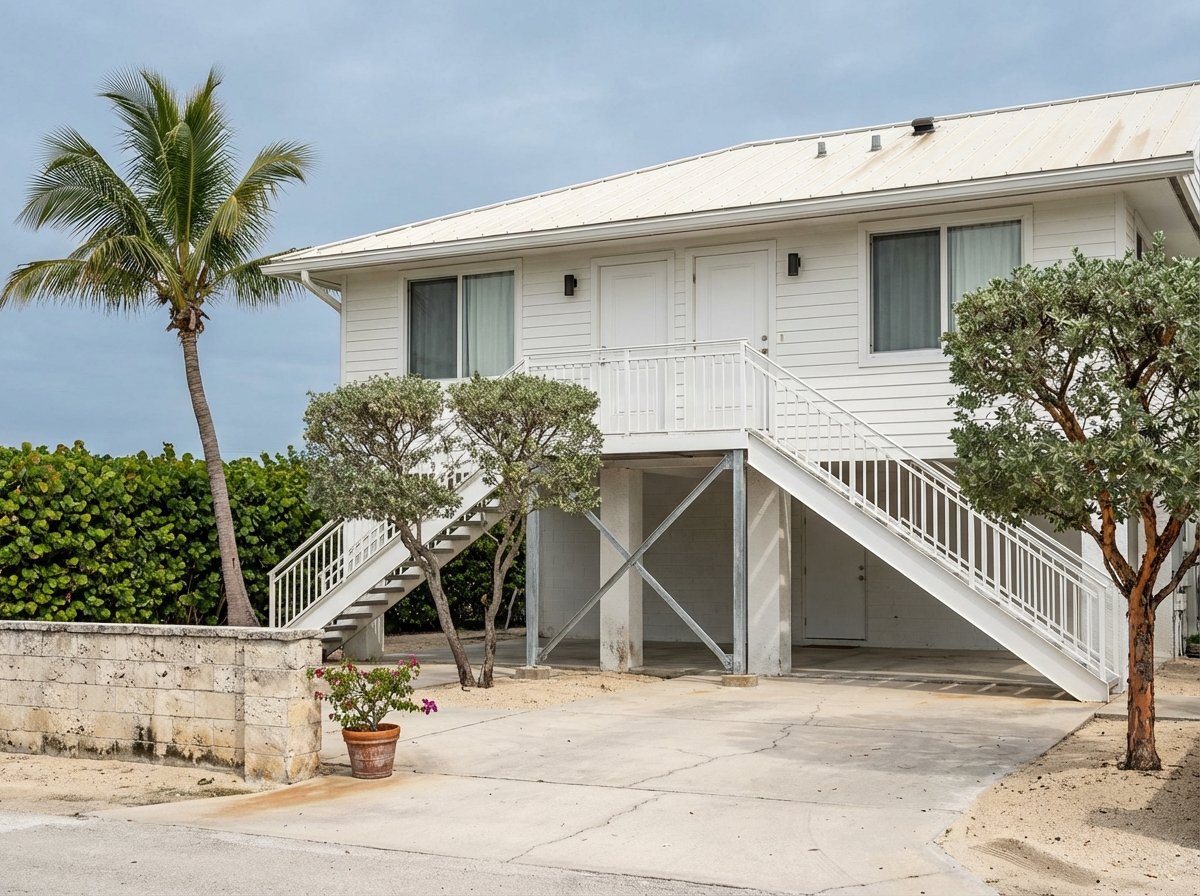
Investing In Duplex And Multi-Unit Homes In Marathon
February 19, 2026
February 19, 2026
Thinking about a Keys investment that can help pay for itself while you enjoy island living? In Marathon, well‑chosen duplex and small multi‑unit properties can pair lifestyle with steady rental demand. Still, success here depends on understanding licensing, flood and insurance rules, and realistic cash flow. This guide shows you how to find, underwrite, and operate duplex investments in Marathon with confidence. Let’s dive in.
Visitor behavior in the Florida Keys supports both nightly and seasonal stays. According to the county’s latest visitor study, lodging made up about 56% of trip spending and the average stay was roughly 5.6 nights, which is ideal for weekly pricing and shoulder‑season bookings. You can review the county’s data in the Tourist Development Council’s 2024 summary for context on stay length and spending patterns (Monroe County TDC 2024 summary).
Monroe County also reports strong Tourist Development Tax collections, which reflect steady visitor volume and ongoing destination marketing investments. In FY2024, the TDT generated about $61.46 million across the Keys (FY2024 TDT annual report).
Public portals report different median prices for Marathon because they use different methods and timelines. As of early 2026, those figures spanned the high 700s to just over 1.1 million. For a specific property, base your offer and pro‑forma on recent local MLS comps and closed sales, not broad portal medians.
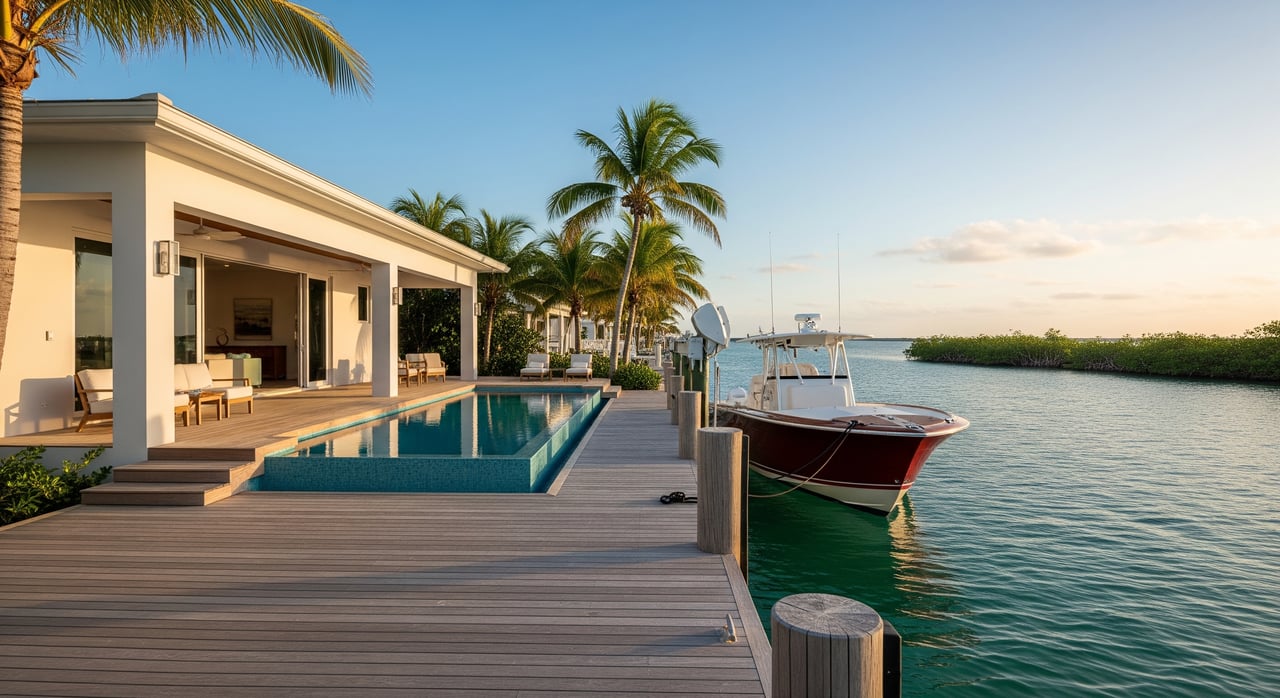
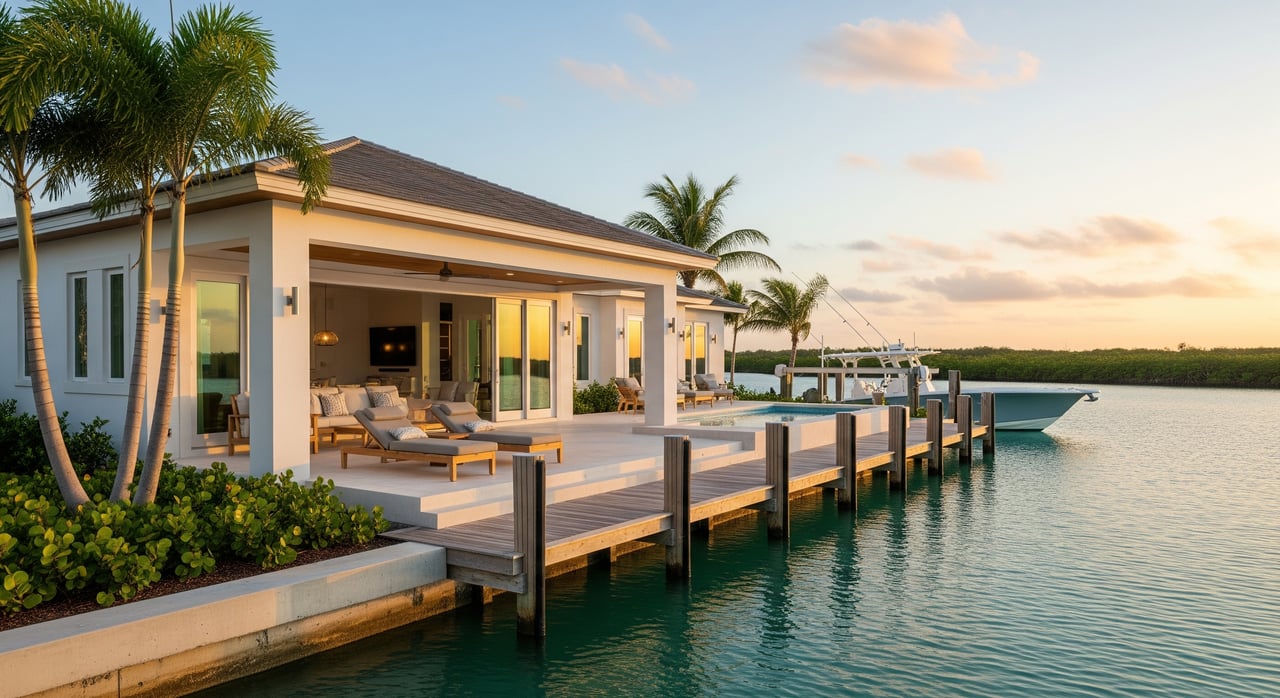
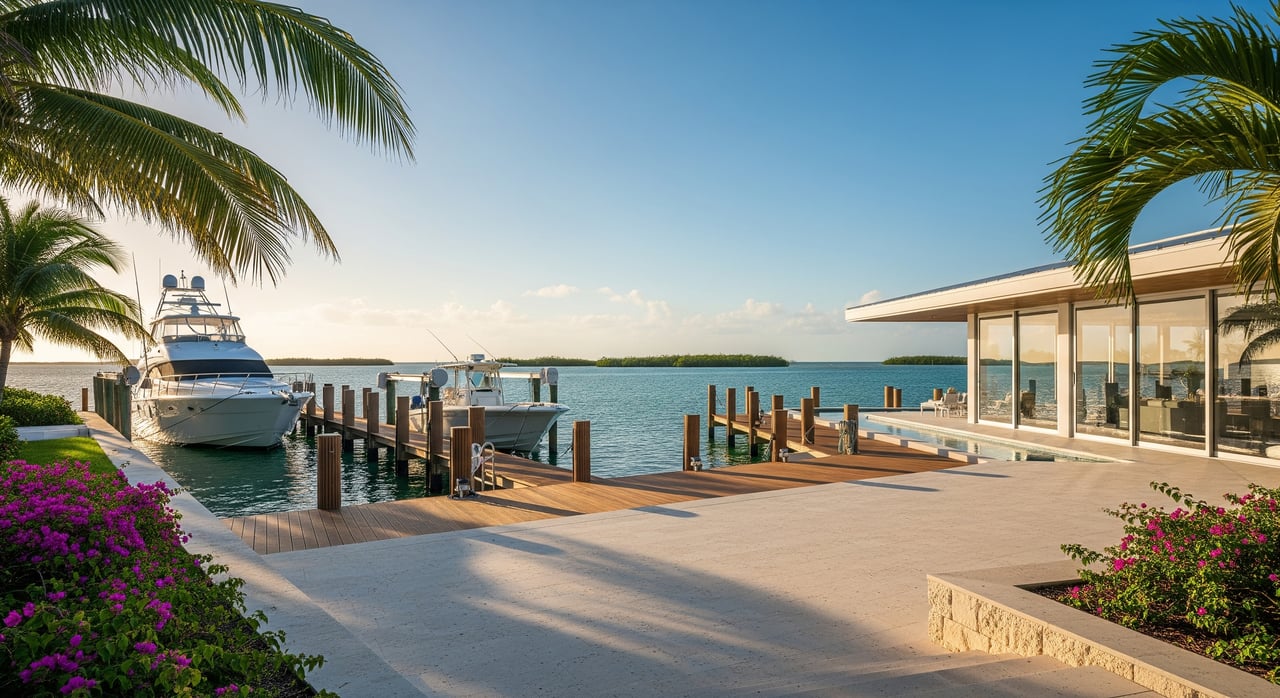
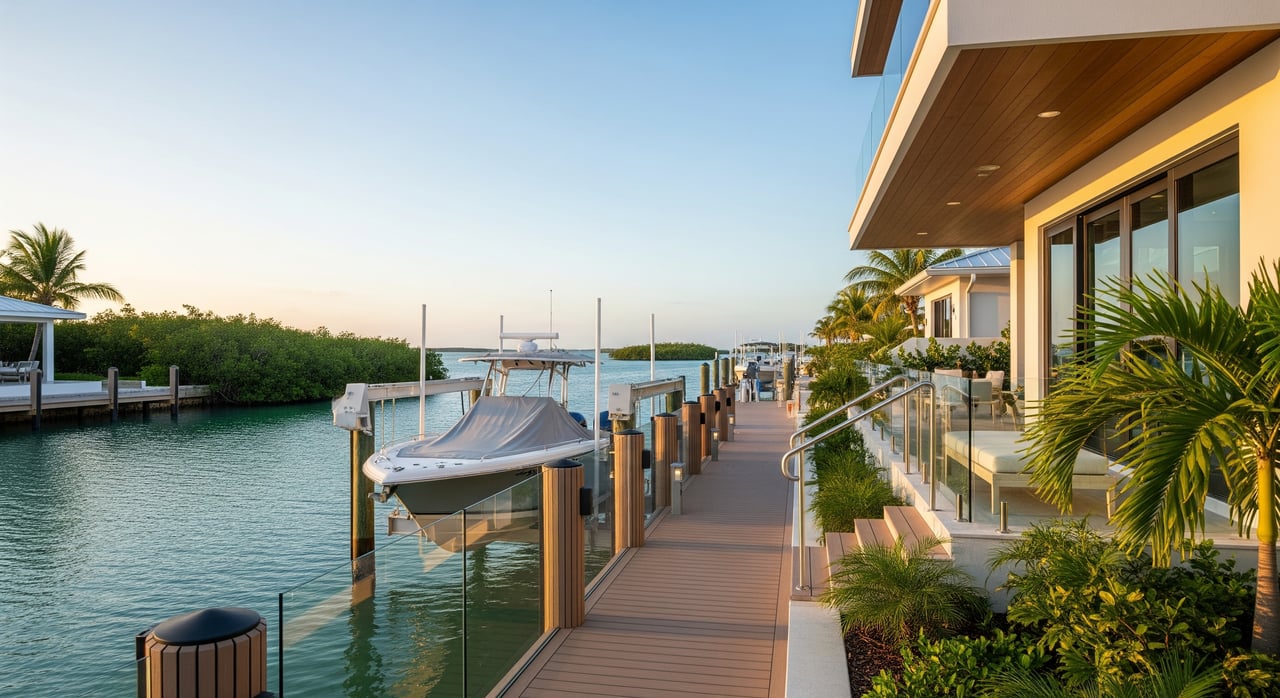
Investors in Marathon and nearby islands often target half‑duplex and full duplex homes, canal‑front duplexes with dockage, and small buildings with 2 to 6 units. Two‑family zoning categories exist in the Middle Keys, which is why you will see legal duplex formats in the market. Always confirm the exact zoning and permitted use for each parcel before you underwrite a conversion or expansion.
Short‑term rental income can work well here when you comply with local rules and price conservatively. The City of Marathon runs a Vacation Rental licensing program with property licensing, a local contact requirement, and fire/safety inspections. Review the details and costs on the city’s Vacation Rentals page before you advertise your unit (Marathon Vacation Rental licensing).
Beyond tourists, Marathon sees steady demand from seasonal visitors and local workers in hospitality, marine trades, construction, health care, and education. This creates flexibility. You can operate a duplex with one unit short‑term and one unit as a longer lease if zoning and licensing allow, or shift seasonally based on your cash‑flow goals.
Licensing is not one‑size‑fits‑all. Properties within Marathon city limits must comply with the city’s Vacation Rental program, and many situations in Monroe County also require an annual special vacation rental permit under the Land Development Code. Read the county’s requirements so you understand when county rules apply alongside city rules (Monroe County LDC vacation rentals).
Hosts must register for and remit the Monroe County Tourist Development Tax on short‑term rentals. Online platforms may not remit local taxes for you, so verify your obligations with the Tax Collector and file returns as required. Start with the county’s guidance on TDT registration and filing (Monroe County Tax Collector TDT guide).
If you plan to live in one unit, many buyers use FHA or conventional loans that allow owner occupancy in a 2 to 4 unit property. If this is a pure investment, ask lenders about DSCR or portfolio loans that underwrite income streams and often require higher down payments. For a plain‑English overview of FHA and conventional tradeoffs, review this summary resource, then speak with Keys‑experienced lenders to confirm current products (FHA and conventional overview; rental property loan basics).
FEMA map updates and local coastal flood mapping can change required lowest‑floor elevations and drive retrofit costs. Check the City’s preliminary coastal flood mapping resources and confirm the parcel’s current and proposed designations before you close (Marathon flood map resources).
Wind and flood premiums can materially affect cash flow. Obtain quotes during due diligence and ask about mitigation credits like roof tie‑downs, opening protection, and elevation certificates. Build a reserve for storm‑related repairs and policy deductibles.
Do not assume that a single‑family home can be converted to a duplex without approvals. Zoning designations and allowable uses vary by parcel, and some changes require map amendments and planning review. You can read a recent example of a zoning map amendment process to understand how changes are handled in Marathon (Marathon zoning ordinance example).
Marathon enforces local contact, signage, occupancy, and inspection requirements. Plan clear house rules, parking guidance, and response protocols to reduce complaints and protect your license. For operational details, review the city’s program materials, including signage and safety standards (Vacation rental signage requirements).
Use this quick list to structure your research on a specific duplex or small multi‑unit:
Live in one side of a duplex and rent the other. Explore FHA or conventional financing that allows 2 to 4 units if you will occupy one unit, then decide on STR vs long‑term for the rental side after reviewing licensing rules and seasonal demand.
Lease both units on annual terms to reduce turnover costs and management intensity. Verify current rent comps by unit size, and include professional management, reserves, and insurance in your NOI and cash‑on‑cash calculations.
Pursue a balanced approach if zoning and licensing allow, placing one unit on the city’s Vacation Rental program while stabilizing the other with a seasonal or annual lease. This can smooth cash flow while giving you optionality during peak season.
A duplex or small multi‑unit in Marathon can deliver lifestyle and income if you underwrite with local realities in mind. Focus on licensing, flood and insurance, conservative rent assumptions, and a realistic operating budget. With strong visitor demand and tight supply, careful due diligence is your edge.
Ready to explore duplex opportunities or stress test a property you have in mind? Connect with Natalie Ardis to Schedule a Free Consultation and get local, data‑driven guidance tailored to your goals.
Stay up to date on the latest real estate trends.



Get assistance in determining the current property value, crafting a competitive offer, writing and negotiating a contract, and much more. Contact me today.